Welcome to Malaysia's Cultural Melting Pot
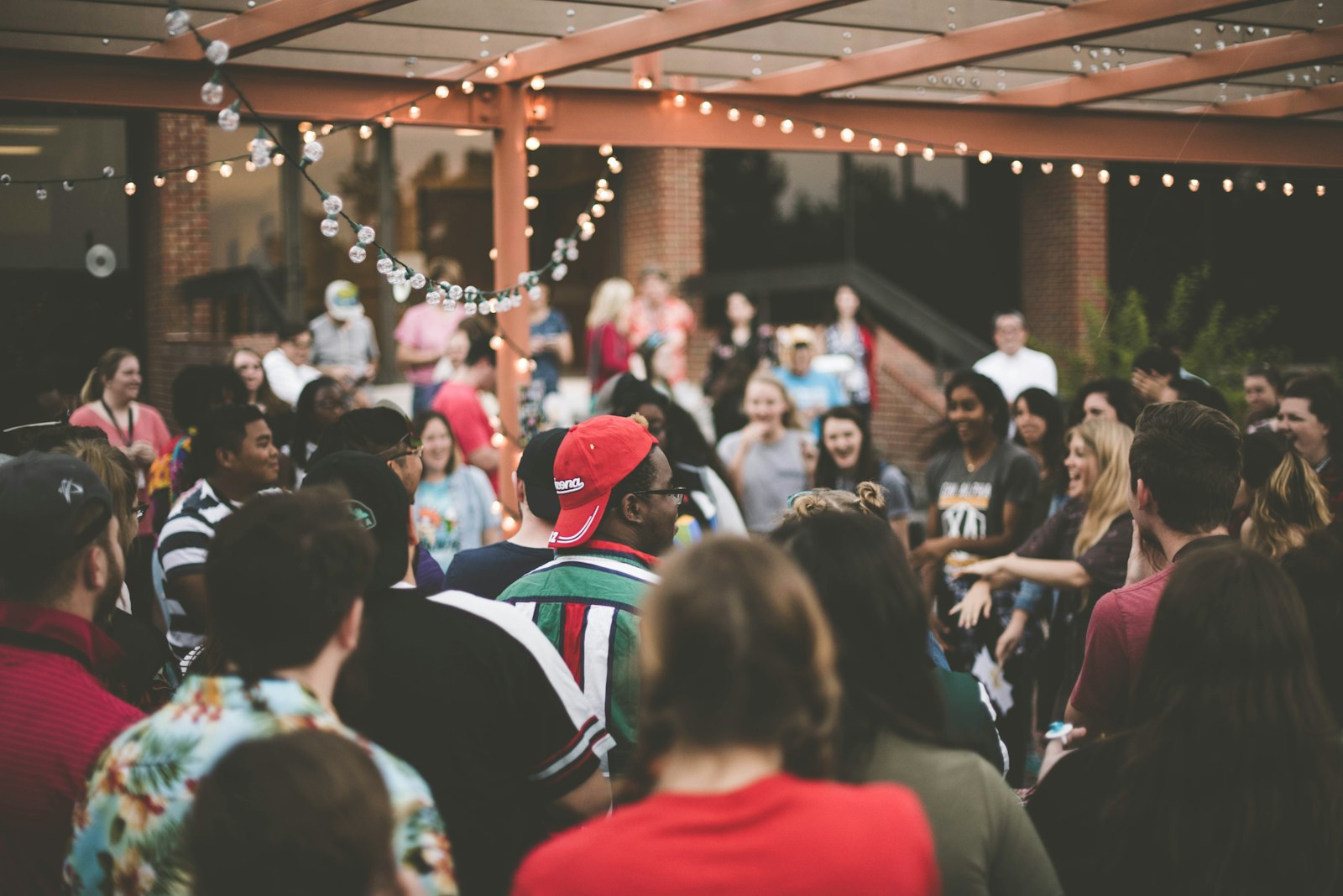
Malaysia is one of the most culturally diverse countries in Southeast Asia. With Malays, Chinese, Indians, and various indigenous groups living together harmoniously, you'll experience a unique blend of traditions, languages, and customs.
Understanding Malaysia's Three Main Cultures
Malay Culture (Bumiputera)
Malays make up about 60% of the population and are predominantly Muslim.
Key Aspects:- Islam is central to daily life
- Strong emphasis on family and community
- Respect for elders is paramount
- Traditional clothing: Baju Melayu (men), Baju Kurung (women)
- Remove shoes before entering homes
- Use right hand for giving and receiving
- Dress modestly, especially at religious sites
- During Ramadan, be mindful of fasting Muslims
Chinese Malaysian Culture
Making up about 23% of the population, Chinese Malaysians maintain rich traditions.
Key Aspects:- Mix of Buddhist, Taoist, and Christian beliefs
- Strong business acumen
- Emphasis on education and hard work
- Traditional festivals are important
- Numbers matter: 8 is lucky, 4 is avoided
- Red is auspicious, white is for funerals
- Chinese New Year is the biggest celebration
- Tea culture is significant
Indian Malaysian Culture
About 7% of the population, mostly Tamil Indians.
Key Aspects:- Predominantly Hindu, with Muslim and Christian minorities
- Rich in arts, music, and dance
- Colorful celebrations
- Strong family bonds
- Remove shoes at temples
- Respect religious symbols
- Deepavali is the major celebration
- Vegetarianism is common
Essential Etiquette Guidelines
Greeting People
General Tips:- Smile warmly - Malaysians are friendly
- A slight nod or bow shows respect
- Handshakes are common in professional settings
- Address elders and professionals with titles
- Say "Assalamualaikum" (Peace be upon you) to Muslims
- The response is "Waalaikumsalam"
- Some Muslim women may not shake hands with men
- Offer a slight bow with hand on heart instead
- A firm handshake is appropriate
- Address elders as "Uncle" or "Auntie"
- Business cards are exchanged with both hands
- "Vanakkam" with palms together (namaste style)
- Handshakes are also acceptable
- Respect for elders is shown through gestures
Dining Etiquette
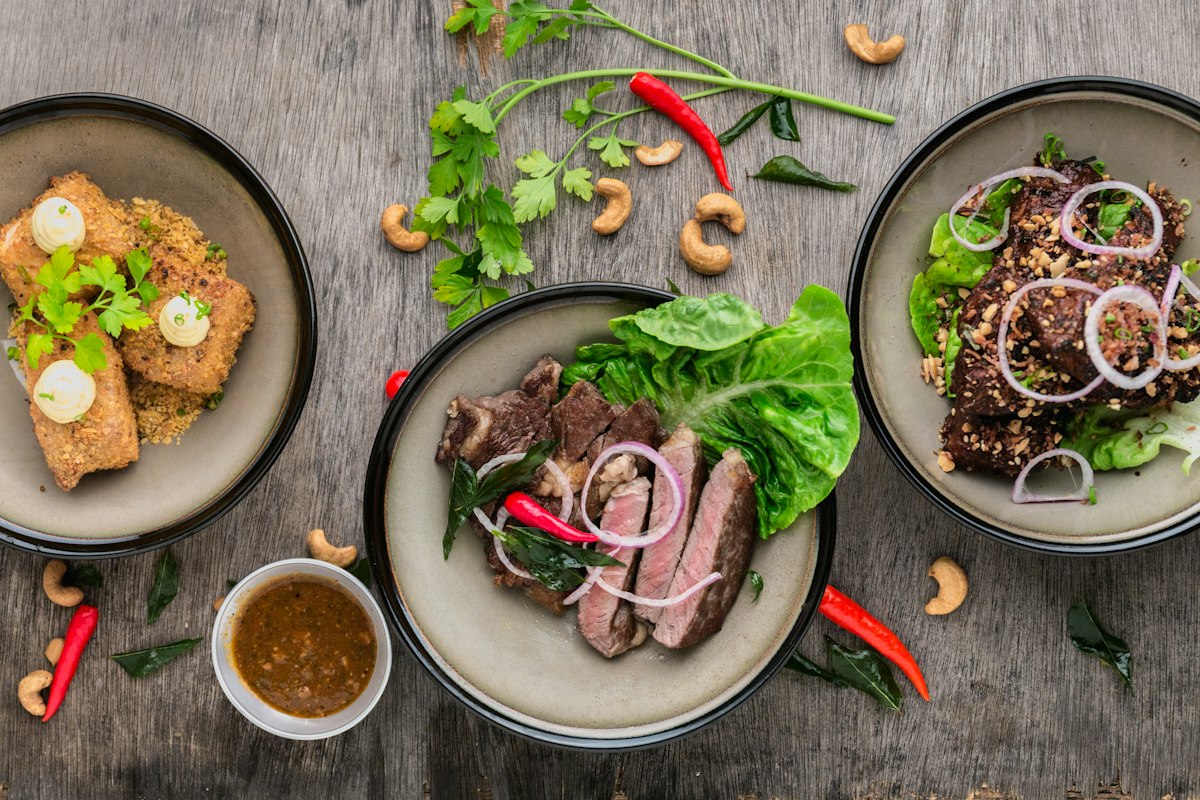
Malaysian food culture is a highlight of living here.
 General Dining Tips:
- Wait to be seated or invited to eat
- Elders usually eat first or are served first
- It's polite to take small portions initially
- Leaving a little food shows you're satisfied
- Compliment the host's food
- Right hand for eating (many eat with hands)
- Left hand is considered unclean
- When using cutlery, hold fork in left hand
- Don't point with chopsticks
- Muslims don't eat pork or non-halal meat
- Hindus often don't eat beef
- Always ask about dietary restrictions when hosting
- "Halal" restaurants serve Muslims
- Vegetarian options are widely available
Body Language and Gestures
Do:- Smile often - it's the Malaysian way
- Make eye contact, but not too intensely
- Use both hands when giving something
- Bow slightly when passing in front of someone
- Point with your index finger (use thumb instead)
- Touch anyone's head (it's sacred)
- Show the soles of your feet
- Stand with hands on hips (shows anger)
- Public displays of affection are frowned upon
Language Tips
Bahasa Malaysia Basics
Learning some Malay will endear you to locals:
| English | Bahasa Malaysia | Pronunciation |
| Hello | Helo / Hai | Heh-lo / Hi |
| Thank you | Terima kasih | Tuh-ree-mah kah-see |
| Excuse me | Maafkan saya | Mah-af-kan sah-yah |
| Yes | Ya | Yah |
| No | Tidak | Tee-dak |
| How much? | Berapa? | Buh-rah-pah |
| Delicious | Sedap | Suh-dap |
| Sorry | Maaf | Mah-af |
Malaysian English (Manglish)
Malaysians speak a unique form of English with local expressions:
- "Lah" - Emphasis particle ("Come lah!" = "Please come!")
- "Can or not?" - Is it possible?
- "Where got?" - That's not true!
- "Jalan jalan" - Going for a walk/outing
- "Makan" - Eat/Food
- "Tapau" - Takeaway food
Religious Sensitivity
Malaysia is officially an Islamic country but respects all religions.
Mosques
- Remove shoes before entering
- Women must cover head and wear modest clothing
- Available robes are often provided for visitors
- Don't walk in front of people praying
- Photography may be restricted
Temples (Buddhist/Hindu)
- Remove shoes at entrance
- Dress modestly
- Don't touch religious statues
- Ask permission before taking photos
- Observe silence during prayers
Churches
- Generally more relaxed dress code
- Still dress respectfully
- Sunday services are common
Practical Cultural Tips
Dress Code
General Guidelines:- Modest dress is appreciated
- Cover shoulders and knees at religious sites
- Avoid overly revealing clothing
- Business attire for professional settings
- Casual but neat for daily activities
- Light, breathable fabrics
- Umbrella for sudden rain
- Comfortable walking shoes
- Sunscreen and hat for outdoor activities
Time and Punctuality
Malaysians have a relaxed attitude toward time:
"Malaysian Time":- Social events may start late
- 15-30 minutes delay is common
- Don't be offended by lateness
- Be punctual for academic/work settings
- Official appointments should be on time
- Business meetings expect punctuality
Gift Giving
General Tips:- Gifts are appreciated but not expected
- Give and receive with both hands
- Don't open gifts immediately
- Expensive gifts may cause embarrassment
- Muslims: No alcohol or pork products
- Chinese: Avoid white wrapping (associated with death), no clocks
- Indians: Avoid leather products, cow imagery
Building Friendships
Making Local Friends
Tips:- Join university clubs and activities
- Attend cultural events and festivals
- Learn about local traditions
- Be open-minded and curious
- Share your own culture
Social Activities
Popular ways to socialize:
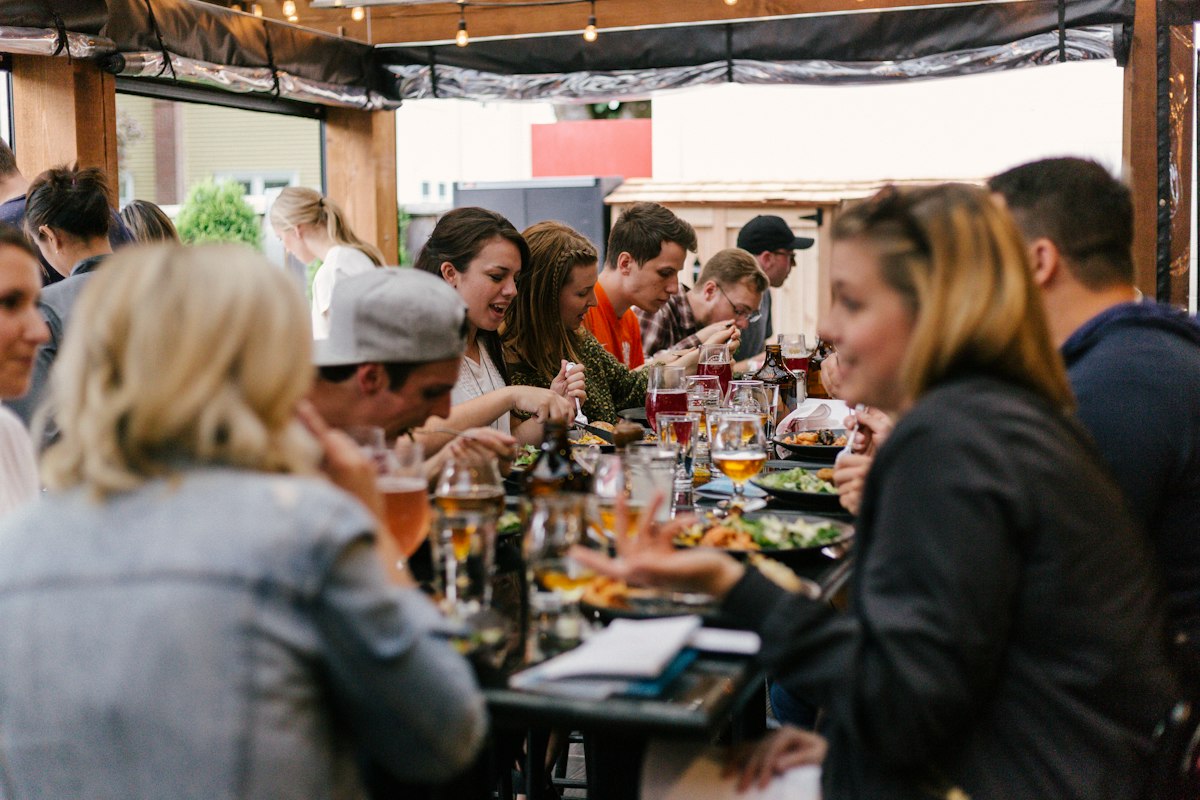
- Eating together (the Malaysian bonding activity!)
- Mamak sessions (late-night food at Indian-Muslim restaurants)
- Movies and shopping malls
- Sports activities
- Festival celebrations
Major Festivals to Experience
Hari Raya Aidilfitri
- Marks end of Ramadan
- Open houses and feasting
- New clothes and visiting
- Usually May/June
Chinese New Year
- 15-day celebration
- Red decorations, lion dances
- Ang pow (red packets)
- January/February
Deepavali
- Festival of Lights
- Oil lamps and rangoli
- Sweet treats
- October/November
Thaipusam
- Hindu festival at Batu Caves
- Spectacular processions
- January/February
Common Cultural Mistakes to Avoid
Conclusion
Adapting to Malaysian culture is a rewarding experience. The country's diversity means you'll learn about multiple cultures simultaneously. Embrace the differences, be respectful, and you'll find Malaysians to be among the warmest and most welcoming people you'll ever meet.
Have questions about Malaysian culture? [Contact us](/contact) for guidance from students who've been through the same experience.